

News
May 8, 2026
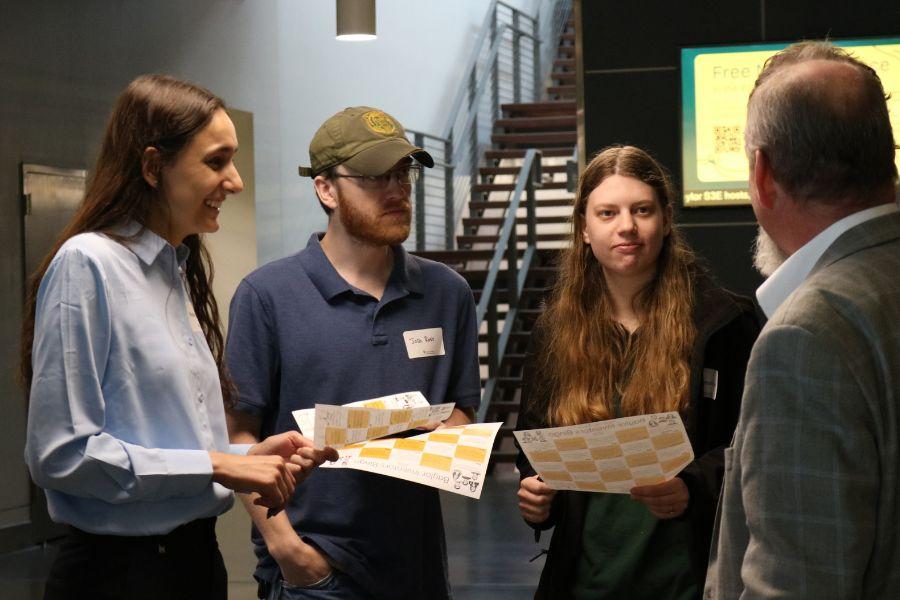
More than sixty Baylor University inventors were recognized and celebrated by the Office of Innovation & Economic Development at the 2026 Innovation 2 Impact reception on May 6.
May 3, 2026

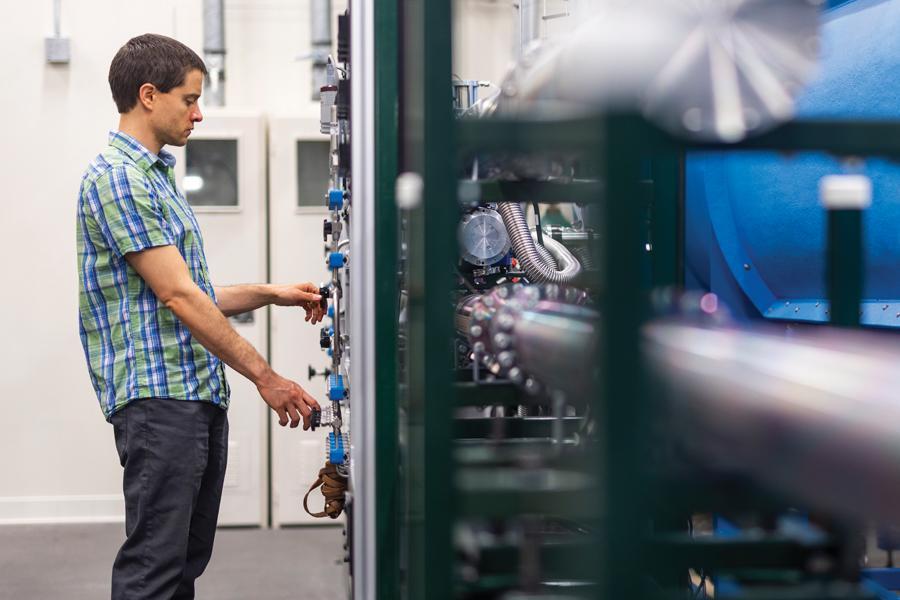
Paul Allison can’t be there when equipment breaks down in the field. But the technology he develops will soon have soldiers back in the vehicles that support safer approaches to achieving their mission.
April 16, 2026

Baylor University debuted a first-of-its-kind research and development center on April 13 with the grand opening of the Arctic Acclimatization & Sleep Optimization (ARKTOS) Research Center in the Baylor Research and Innovation Collaborative (BRIC). ARKTOS will develop knowledge products and biomedical technologies that assess and mitigate the impact of multi-stressor Arctic environments on sleep, cognition and human performance.
April 15, 2026
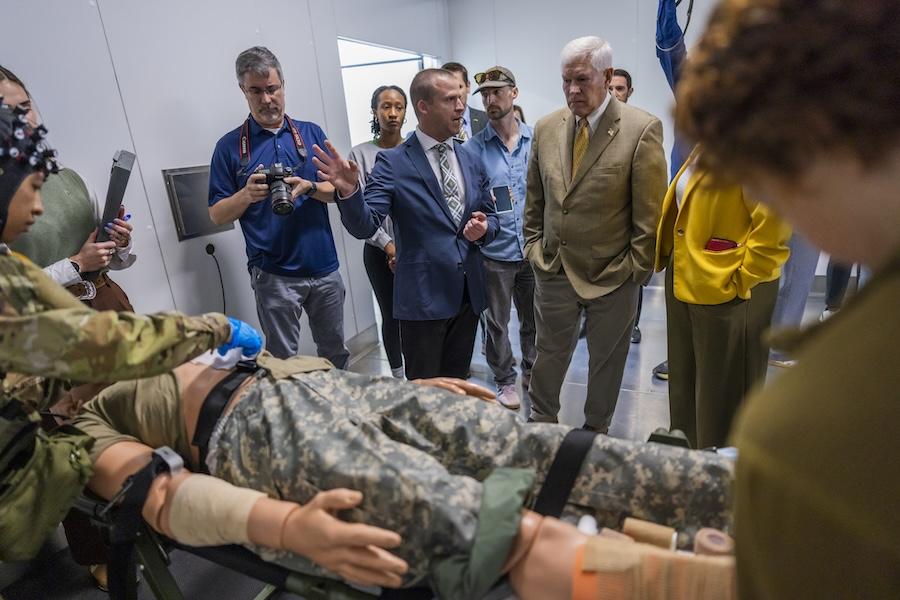
Based in Central Texas, ARKTOS pioneers research and technologies to help military and civilian teams rapidly prepare for Arctic deployment.
March 21, 2026
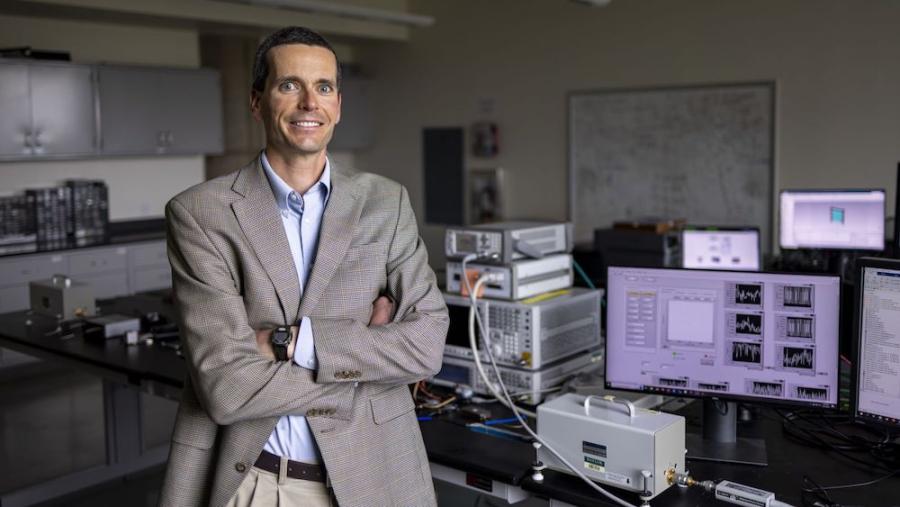
Both military and corporate organizations recognize that dwindling space will soon impact their users, like those who protect our freedom. Baylor SMART Hub researchers are pursuing entirely new approaches to spectrum communication.
February 9, 2026
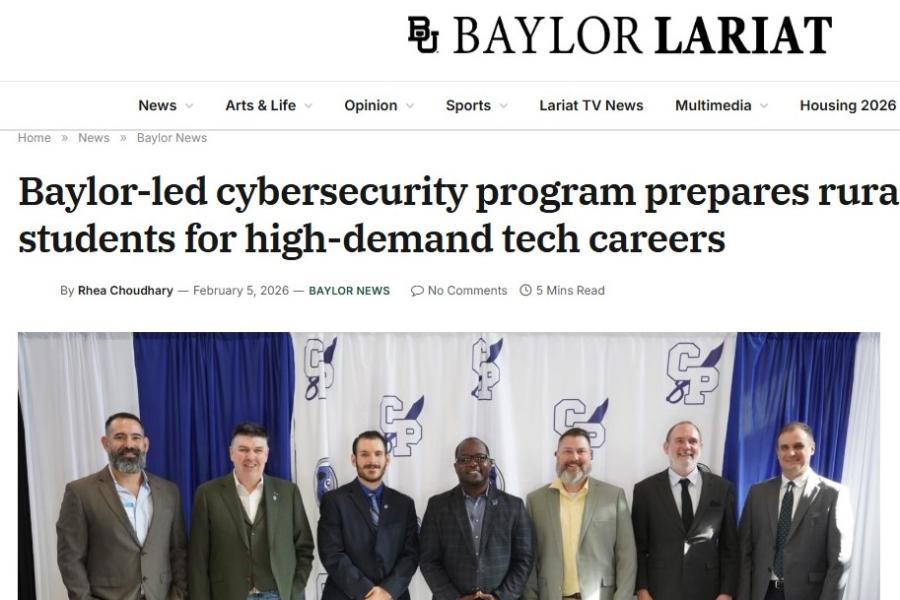
Cybersecurity is a field facing significant national and statewide talent shortages, but Baylor’s new initiative aims to help just that.
Baylor, through its leadership of the Central Texas Cyber Hub, launched the K-12 Cyber Security Pathways Program, a new initiative to prepare high school students for immediate entry into the cybersecurity workforce or continued education.
June 25, 2024

A multidisciplinary team of Baylor researchers is working to advance technology that could drastically reduce the time and logistical footprints needed for the sustainable development and repair of products for the U.S. military, thank to a $15 million congressional appropriation.
December 19, 2022
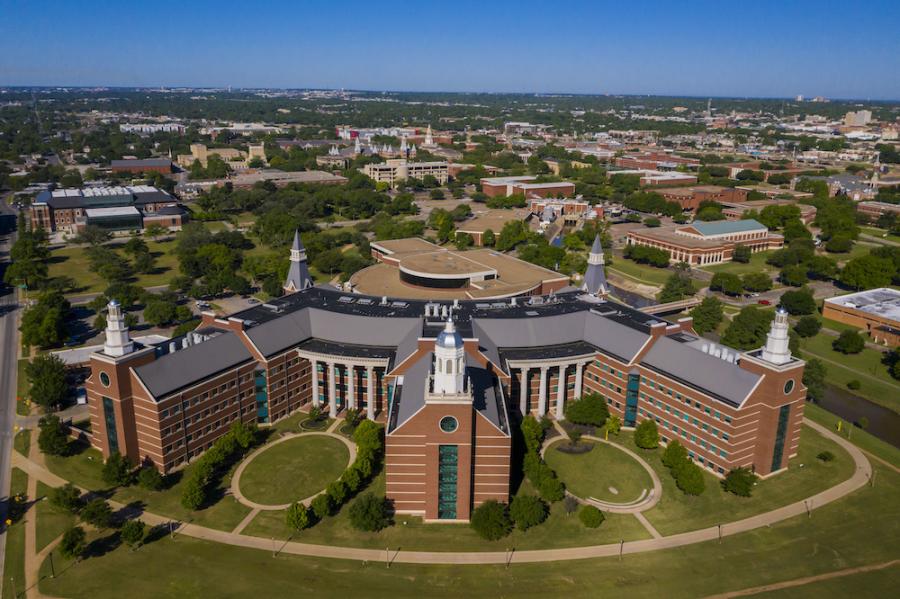
Baylor's recognition as an R1 research institution is meaningful not only for the University, but for the Greater Waco community and Central Texas, bolstering a cutting-edge community through research, faculty growth, business development and more.
July 27, 2022

Mack Grady's research probes innovative approaches to protect power grids from attack, connect communities to generate power more quickly when one loses power and to enhance renewable energy sources in Texas.
February 23, 2022

The Baylor Materials Testing and Characterization Core (MTACC) has earned ISO-17025 certification, a key validation for MTACC's services in imaging, materials characterization, fabrication and processing and more.
October 12, 2021

Baylor’s industry-facing service centers facilitate industry partnerships that address hard problems. Core facilities like MTACC and ProtoLAB provide managed services on industry timelines for materials testing, prototyping services and more.
November 4, 2020
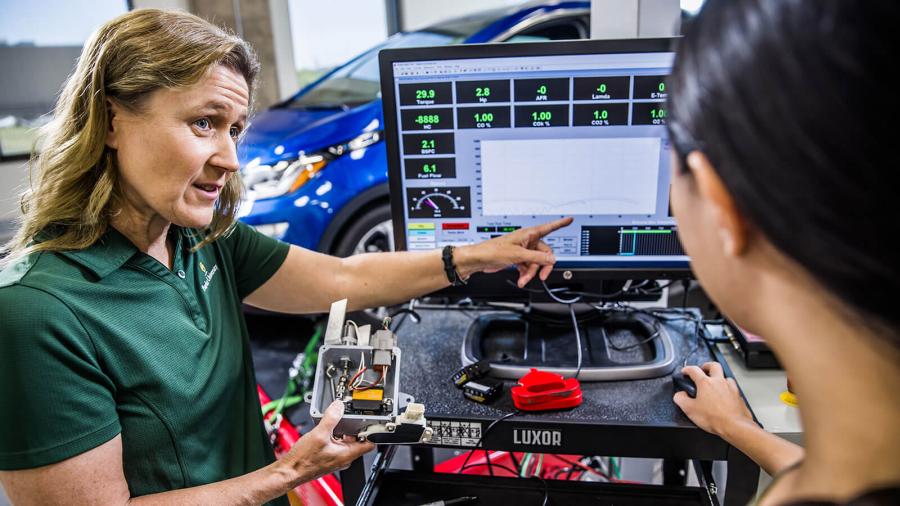
Annette von Jouanne advances sustainable transportation methods inside her Baylor laboratory.
February 20, 2020
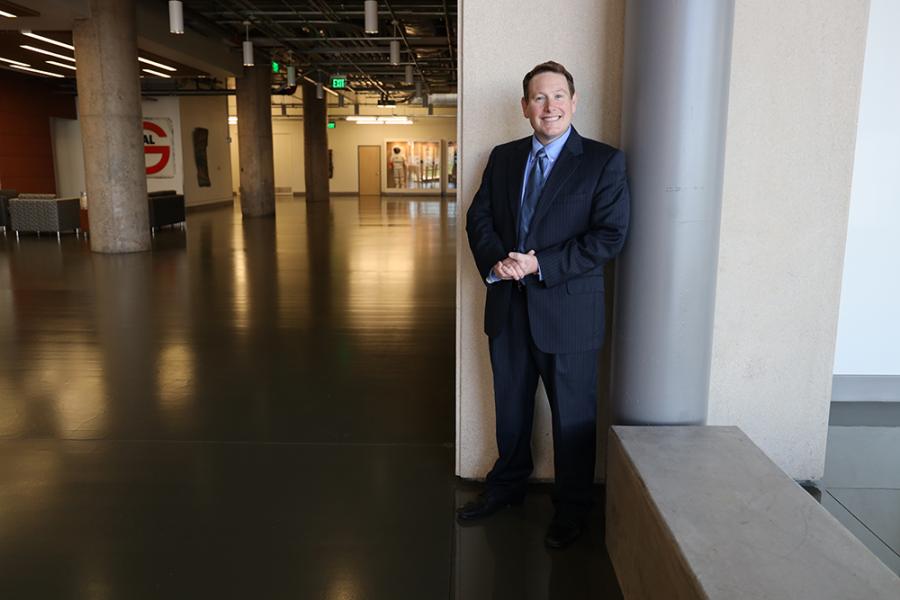
In the burgeoning field of neruomorphic computing, Dr. Scott Koziol is pioneering research of robotics and neuroscience.
January 27, 2020
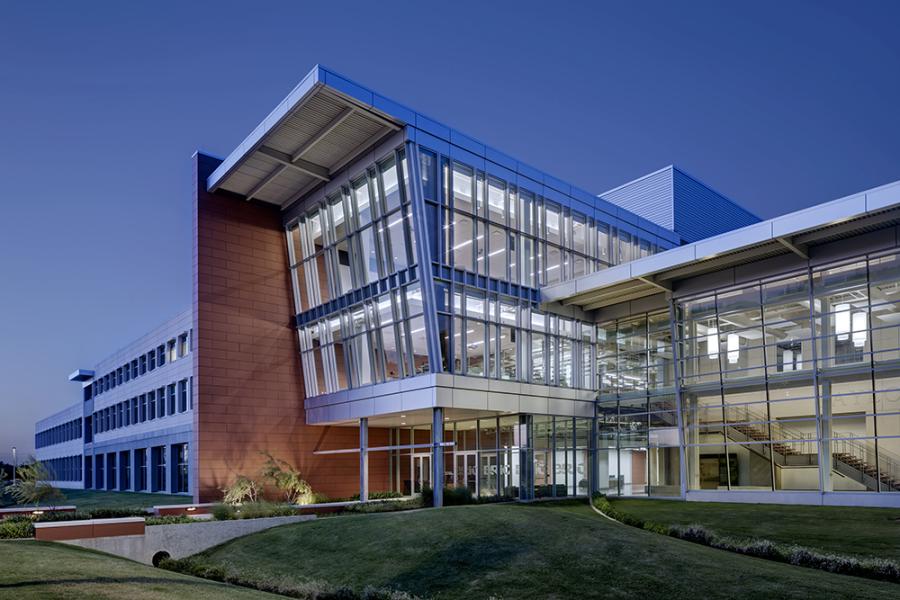
The fruits of university-industry research partnerships are recognized throughout the business world, as responses to a recent Baylor University-Texas Business Journals survey highlighted. Learn more about the ways Baylor is streamlining the process of industry research partnerships to address real-world challenges together.
August 27, 2019
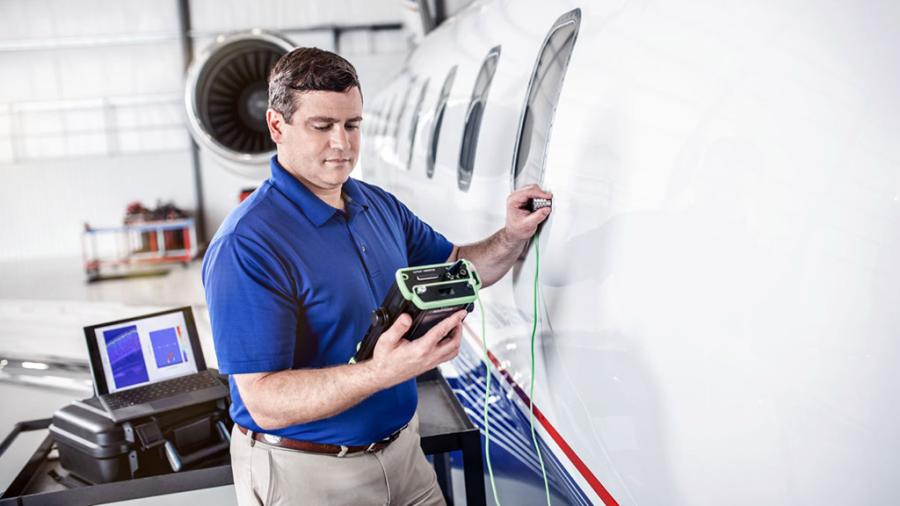
David Jack has become a national leader across the spectrum of materials science: composite production, ultrasonic techniques for the non-destructive evaluation of composites, composite modeling and more. Closer to the homes and hearts of the end-users his research eventually impacts, is the fact that Jack’s work makes planes and automobiles safer to enjoy.